


Bad Boy Bubby
He’s not the Monster—But an Innocent Soul shaped by Darkness.
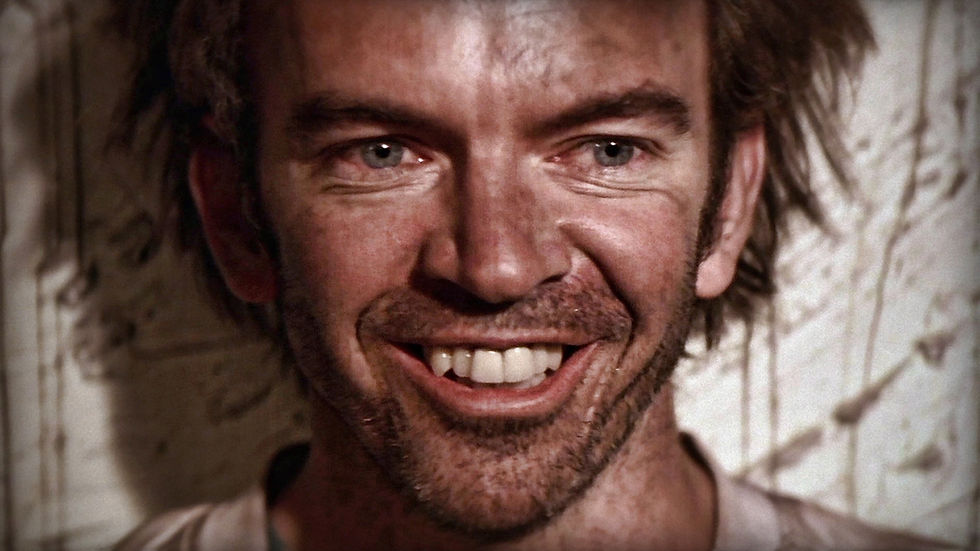
Bubby is not evil. Bubby is not a monster. Bubby is not a pervert. Bubby is not a criminal.
Bubby (Nicholas Hope) is a 35-year-old man, the tragic example of two parents who should never have had children—but who, by some cruel twist of fate, brought into the world a deeply innocent, curious, and kind soul.

Abandoned by his father, Bubby is raised in a basement by a fanatically paranoid mother who strips him of all freedom, isolating him from the world and depriving him of any form of education.
The result is a man trapped in eternal childhood, unable to develop his own identity or critical thinking.
When he finally finds an escape—violently and abruptly at Bubby’s own hand—he steps into the world for the first time. But society is not kind to those who don’t speak its language.
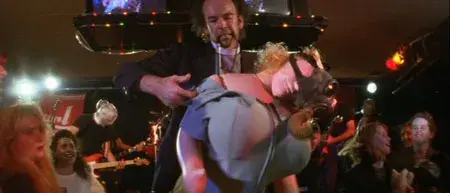
Bubby, with his weird behaviours, naïve and childlike manners, is mercilessly mistreated by a world that has no patience for those raised in an unconventional or deprived environment.
However, this doesn’t stop him from trying. His journey becomes one of raw discovery, filled with chaotic encounters, fleeting friendships, and a kind of love—though filtered through a lens devoid of morality or discernment.
He moves through a surreal reality of music, sex, degradation, and confusion, in a grotesque story that pushes boundaries into almost shocking blasphemy, crossing well beyond the limits of the politically correct.

In its first 40 minutes, “Bad Boy Bubby” shows us the darkest places—an unflinching portrait of everything that parenting should never be, drenched in psychological abuse and incestuous horror.
Then Bubby finds freedom, and the film takes a jarring tonal shift, becoming a tale with an unexpectedly optimistic and almost utopia finale that may feel at odds with the brutal narrative of director Rolf de Heer has woven.
And there we are, with those final 30 minutes offering a fragile, flickering hope that, despite the cruelty and disdain of the world, acceptance is still possible.
Somewhere, someone might accept us for who we truly are, without trying to reshape us into something more conservative.

“Bad Boy Bubby” is a painful but necessary film. Released in 1993, its resonance remains undiminished. It is bold, unsettling, and profoundly relevant, fearlessly confronting issues that still challenge society today.
A disturbing satire of a world lost in its own madness, and a powerful metaphor for rebellion against authoritarian figures—be they parents or societal institutions.
“Bad Boy Bubby” is cinema that confronts, disturbs, and ultimately dares us to recognise how quickly we reject what we fail to understand.


Comments